
Architectural Wedding Lighting Design for Luxury Venues

Updated: Mar 30

There’s a moment, just before guests take their seats, when a wedding venue feels almost cinematic.
The architecture stands quietly in anticipation. The ceilings feel higher. The textures feel richer. Every detail seems to glow with intention.
What creates that feeling isn’t décor alone. It’s architectural wedding lighting design.
In the world of luxury weddings, lighting is not an afterthought. It is the element that reveals a venue’s full character, shaping both atmosphere and emotion. When done well, it doesn’t call attention to itself. It simply transforms everything around it.
From highlighting architectural features to curating color and depth, wedding lighting design turns a beautiful space into an experience that feels immersive, refined, and unforgettable.
Highlighting Architecture: Elevating What Already Exists
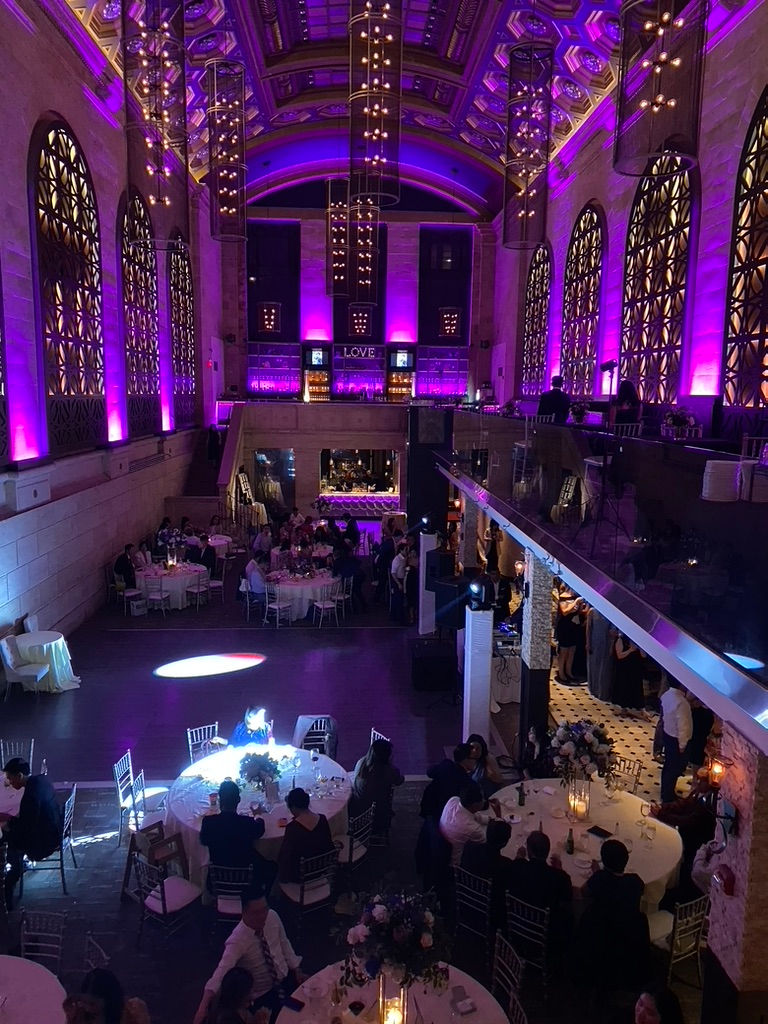
Luxury venues are chosen for their presence. Think soaring ceilings, grand columns, exposed beams, or historic textures that carry a sense of place.
Architectural wedding lighting enhances these elements rather than competing with them.
Soft, intentional uplighting draws the eye upward, emphasizing height and scale. It creates a sense of quiet drama, allowing the room to feel expansive without overwhelming its natural elegance. Columns become sculptural. Walls gain depth. The entire space feels more dimensional.
For venues with rich materials like stone, wood, or draped fabric, carefully placed lighting introduces shadow and contrast. This technique reveals texture in a way that feels almost tactile, inviting guests to experience the space rather than simply observe it.
This is the essence of architectural wedding lighting design. It doesn’t add more. It reveals more.
Placement Strategy: The Art of Subtle Precision
The difference between standard wedding lighting and a truly luxurious atmosphere often comes down to placement.
Every light has a purpose. Every angle is considered.
Key focal points are treated with intention. A sweetheart table is softly illuminated to feel intimate yet significant. The dance floor is layered with light that evolves as the energy of the evening builds. Entryways are gently highlighted, creating a natural sense of flow as guests move through the space.
Pin spotting introduces a refined level of detail. A single, delicate beam can transform florals, table settings, or a wedding cake into visual moments, drawing the eye without disrupting the overall aesthetic.
Perimeter lighting quietly frames the room, creating balance and cohesion. It’s not something guests consciously notice, but it’s something they feel immediately.
This level of precision ensures that the entire environment feels curated. It also enhances photography and film, allowing every moment to be captured in its best light.
For a deeper look at how these techniques compare, explore Uplighting vs Pin Spotting: Which One Do You Need?
Color Design: A Study in Restraint and Refinement

In luxury wedding lighting design, color is never accidental. It is layered, intentional, and deeply connected to the overall aesthetic.
Rather than bold saturation, the focus is often on nuanced tones. Warm amber, soft champagne, and candlelit hues create an atmosphere that feels both inviting and elevated. These tones enhance natural beauty and allow every detail, from florals to fashion, to photograph seamlessly.
When color is introduced, it is done with restraint. A subtle wash along architectural features can echo your wedding palette without overwhelming the space. The effect is cohesive, not competing.
Lighting also has the power to evolve throughout the evening. A light, airy ambiance during cocktail hour can transition into a warm, intimate glow for dinner, before shifting again into a more dynamic setting as the celebration unfolds.
This progression creates a sense of movement and storytelling. The atmosphere doesn’t remain static. It deepens.
To understand how lighting shapes the emotional tone of your celebration, visit How Lighting Changes the Mood of Your Wedding Reception
Visual Impact: Designing an Atmosphere You Can Feel
The most memorable weddings are not defined by a single detail. They are defined by how they feel.
Architectural wedding lighting design creates that feeling through layers of light, shadow, and movement.
A softly illuminated ceiling can make a grand ballroom feel even more expansive. Subtle variations in intensity add depth, ensuring the space never feels flat. Gentle motion across the dance floor introduces energy while maintaining a sense of sophistication.
What sets luxury lighting apart is its restraint. Nothing feels excessive. Nothing feels out of place.
Guests may not notice the exact placement of each light or the technical precision behind it. But they will feel the atmosphere. They will feel the warmth, the depth, and the intentionality behind every moment.
This is where lighting moves beyond function. It becomes experience.
Frequently Asked Questions About Wedding Lighting Design
What is architectural wedding lighting design?
Architectural wedding lighting design focuses on enhancing a venue’s natural features using strategic lighting techniques. Instead of adding décor, it highlights elements like ceilings, columns, and textures to create depth, atmosphere, and a more immersive guest experience.
How does wedding lighting affect the overall atmosphere?
Wedding lighting design plays a major role in setting the mood. Softer tones create a romantic and intimate feel, while layered lighting adds energy and dimension. Thoughtful lighting transitions throughout the event help guide the emotional flow of the celebration.
What’s the difference between uplighting and pin spotting?
Uplighting is used to illuminate walls and architectural features, adding depth and color to the space. Pin spotting, on the other hand, uses focused beams to highlight specific details like centerpieces or cakes.
For a deeper breakdown, see Uplighting vs Pin Spotting: Which One Do You Need?
Is professional wedding lighting design worth it for luxury venues?
Yes. Luxury venues already have strong architectural features, and professional lighting ensures those features are fully showcased. It enhances the overall design, improves photography, and creates a cohesive, elevated experience for guests.
When should we plan our wedding lighting design?
Lighting should be planned early in the design process, alongside your venue and décor decisions. This allows your lighting team to align with your vision and ensure every element works together seamlessly.
Conclusion: Where Atmosphere Becomes Memory
Architectural wedding lighting design is where technical expertise meets emotional storytelling.
It highlights the beauty of your venue, enhances the flow of your celebration, and creates an environment that feels both elevated and deeply personal. Every detail is revealed with intention. Every moment is framed with care.
For couples planning a luxury wedding, this approach offers something lasting. Not just a beautifully designed space, but an atmosphere that lingers in memory long after the night has ended.
Ready to Create Something Extraordinary?
If you envision a wedding that feels immersive, refined, and effortlessly beautiful, architectural wedding lighting design is essential.
You can take the next step and Connect here:
A thoughtful conversation is often where exceptional design begins.


Comments